Loading…
+91 9510358575[email protected]
B/h Novotel Hotel, Off S.G Road Satellite, Ahmedabad
Anand Niketan Campus

Curriculum and Affiliation

Building strong academic foundations through the CISCE curriculum while nurturing holistic growth and lifelong learning.
Explore Admission

Curriculum and Affiliation

“One looks back with appreciation to the brilliant teachers, but with gratitude to those who touched our human feelings. The curriculum is so much necessary raw material, but warmth is the vital element for the growing plant and for the soul of the child.”
‑ Carl Jung

The Council for the Indian School Certificate Examinations (CISCE) is committed to serving the nation's children through high‑quality educational endeavours, empowering them to contribute towards a humane, just and pluralistic society, promoting introspective living, by creating exciting learning opportunities with a commitment to excellence.

As a premier National Examination Board of the country, the Council conducts the Indian Certificate of Secondary Education Examination (ICSE ‑ Class X), the Indian School Certificate Examination (ISC ‑ Class XII) and the Certificate of Vocational Education Examination (CVE ‑ Class XII).
Curriculum and Affiliation

The Council has always strived to incorporate the very best in its prescribed syllabi at the secondary and senior secondary levels, with Council-affiliated schools being the cornerstone in the achievement of many an educational milestone. It is a well-known fact that a strong foundation in the lower classes plays a vital role in forging lifelong learning competencies.

The Curriculum developed by the Council for Preschool - Class VIII, has been designed so as to enable children to be well-prepared and future-ready and to lead them in a progressive and phased manner to derive full advantage of the ICSE and the ISC syllabi.

The curriculum has been planned and organized in a systematic and scientific manner, keeping in view the prevalent trends and requirements in the field of education. The curriculum aims to provide a holistic and broad based education, taking into ambit all aspects of child behaviour, to equip them to meet the challenges in life and to develop their potential for lifelong learning.

All efforts have been made to incorporate components that are vitally and organically related to the child’s life and his/ her immediate environment, interpreting for the child, its salient and significant features and permitting him/her to come in contact with some of its important activities.

Ethos of the Council
Text
Minimum monitoring
Text
Trust and Fair Play
Text
Allowing schools to evolve their own niche
Text
Catering to the needs of the children
Text
Giving freedom to experiment with new ideas and practices - the school must continuously evolve
Text
Diversity and Plurality - the basic strength for evolution of ideas.
Text
Schools to motivate pupils towards the cultivation of: Excellence - the Indian and Global experience
Text
Values - Spiritual and Cultural, to be the bedrock of the educational experience.
Text
Schools to have an 'Indian Ethos' with strong roots in the national psyche and be sensitive to emerging national aspirations.

Aims of the CISCE Curriculum

The current curriculum prioritizes a theme-based approach over a traditional topical approach, moving away from a fragmented list of subjects toward a more integrated model. This allows for the "transaction" of knowledge through cohesive themes, ensuring that complex real-world issues are addressed in a truly holistic and interconnected manner.
Aims of the CISCE Curriculum

Focus on using a wide range of learning experiences
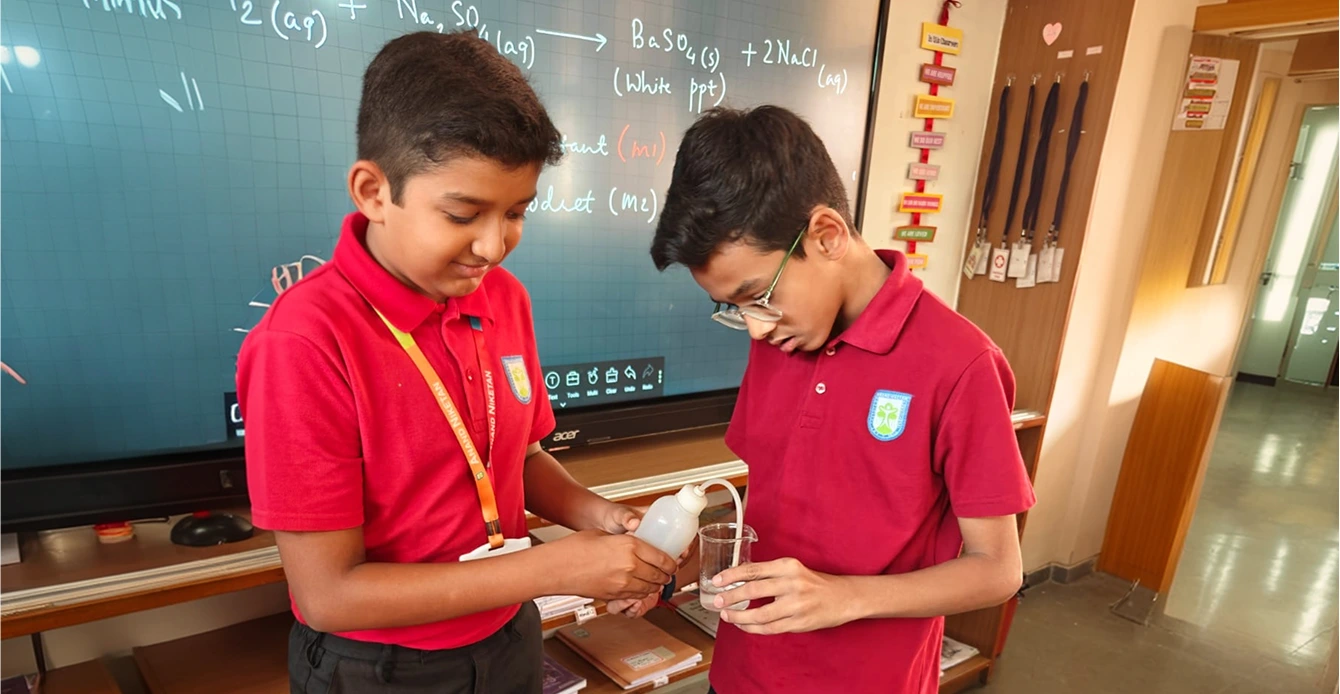
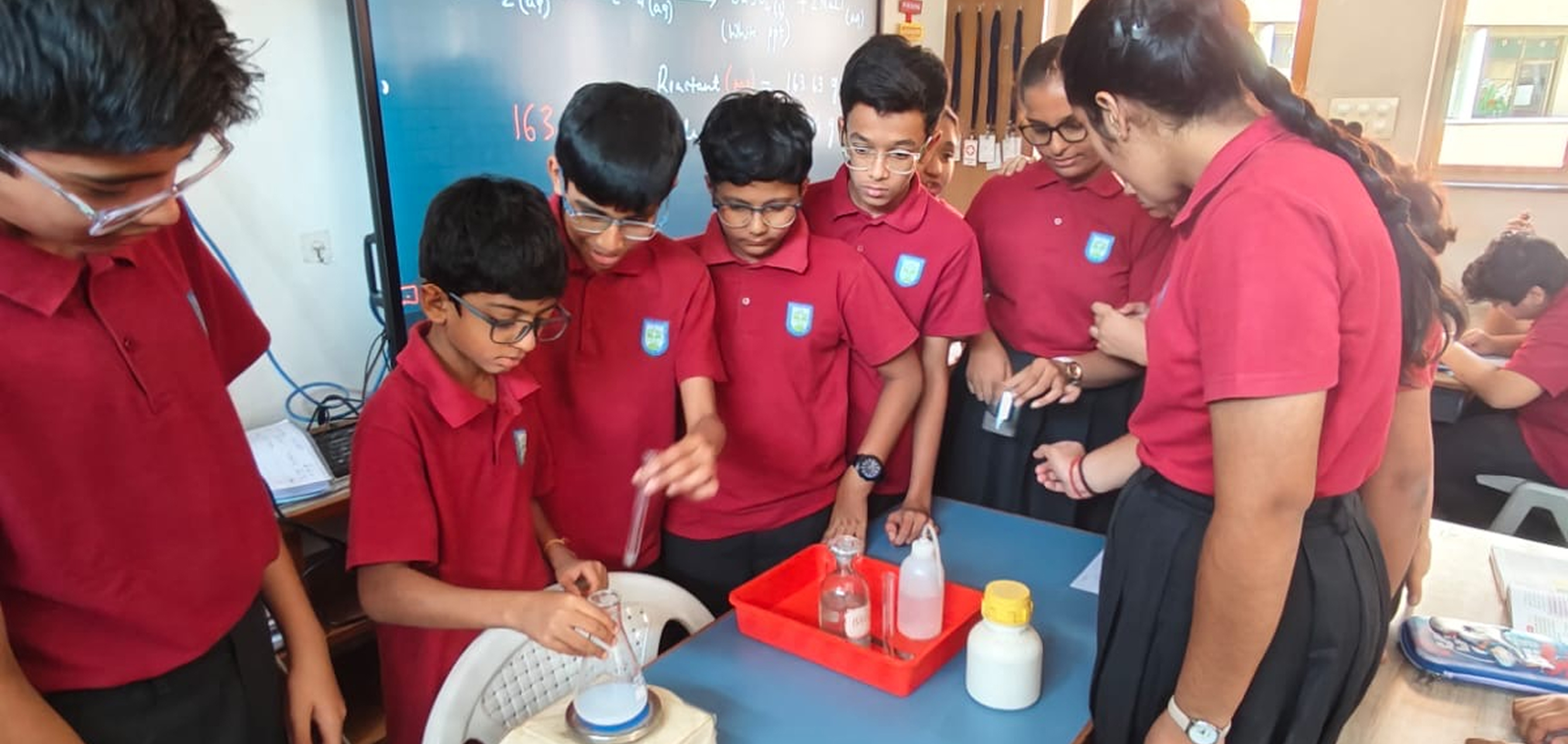
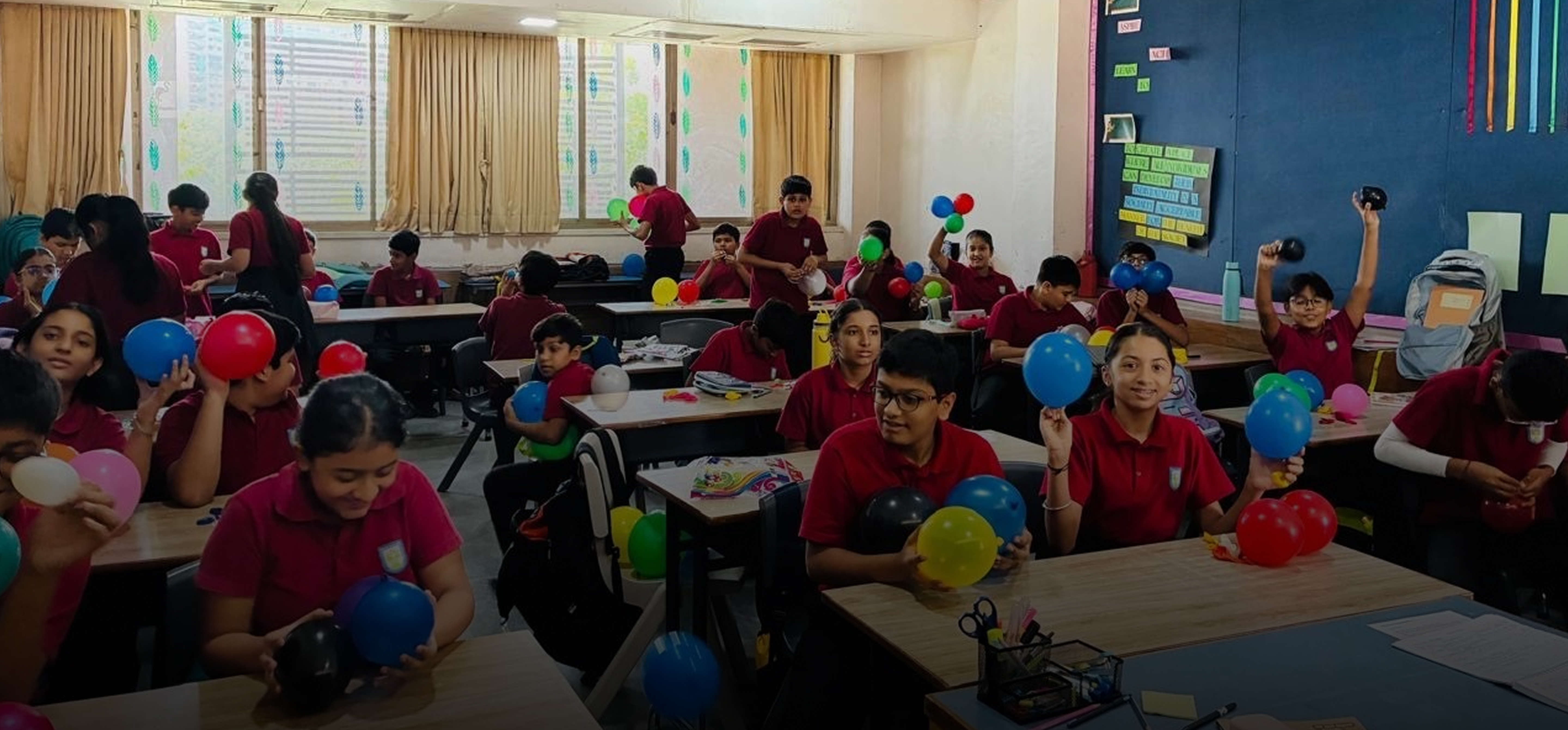
Recognising the fact that there are different learning styles and individual children learn in different ways, the curriculum suggests a range of transactional processes varying from classroom discussions, case studies, field visits, surveys, hands-on experiences, experimentation, model making, poster making, slogan writing, etc. The curriculum aims to ensure that learning is a joyful experience for all children and that children are able to understand not only what they learn, but also how this learning is relevant in their lives, both present and future.
Focus on using a wide range of learning experiences

The Curriculum encourages an Integrated approach
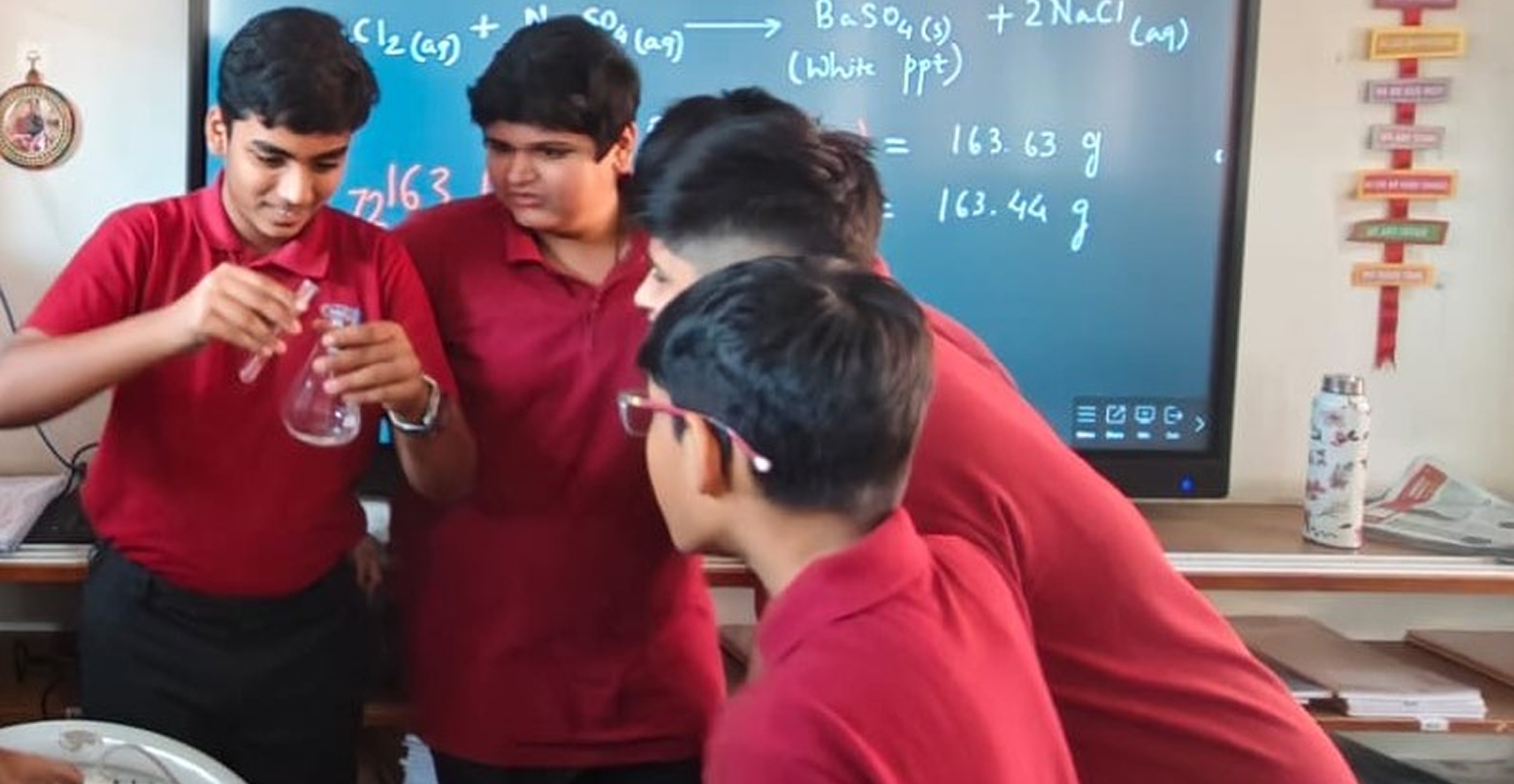
The curriculum encourages an integrated approach to teaching-learning,  to enable children to comprehend learning experiences as a unified whole, to help them see meaningful linkages within and across various subject areas. Instead of moving from one topic/subject area to another, learning information in a disconnected, compartmentalized manner, the curriculum aims to help children make sense of life's experiences by helping them connect and correlate knowledge and experiences across various topics within as well as across subject areas.
The Curriculum encourages an Integrated approach

The Curriculum is Child-Centric
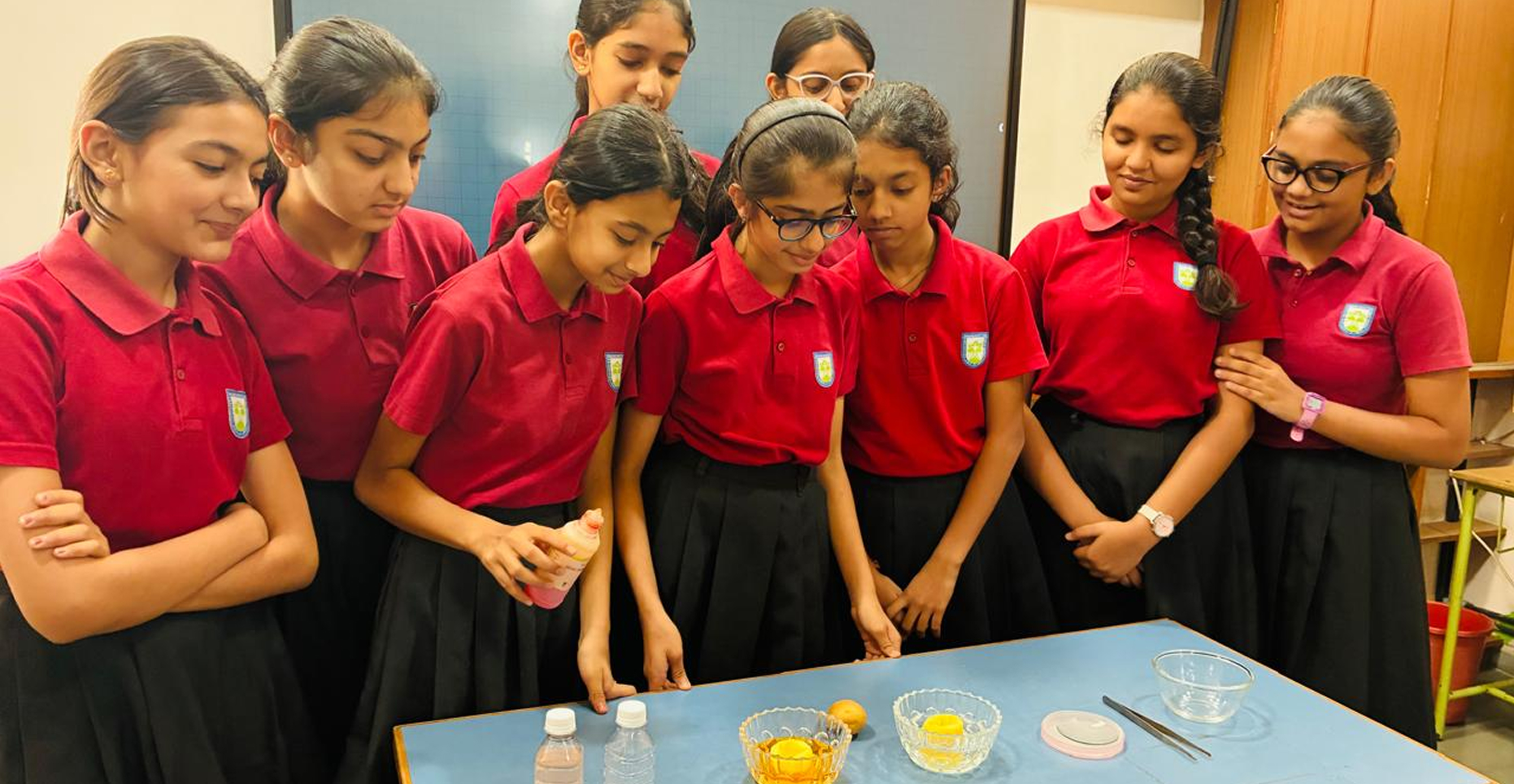
The approach of the curriculum is 'child-centric'. The identified concepts, skills, issues and concerns are age-appropriate so that the understanding of the child develops gradually from self to the immediate surroundings and further to the wider environment. For example, information related to the child and his/her family members may be given before introducing him/her to the neighbourhood. Thus, the child moves from simple to complex, concrete to abstract, and from informal to formal concepts in a logical and phased manner.
The Curriculum is Child-Centric

Sequential arrangement of learning experiences (Spiralling)
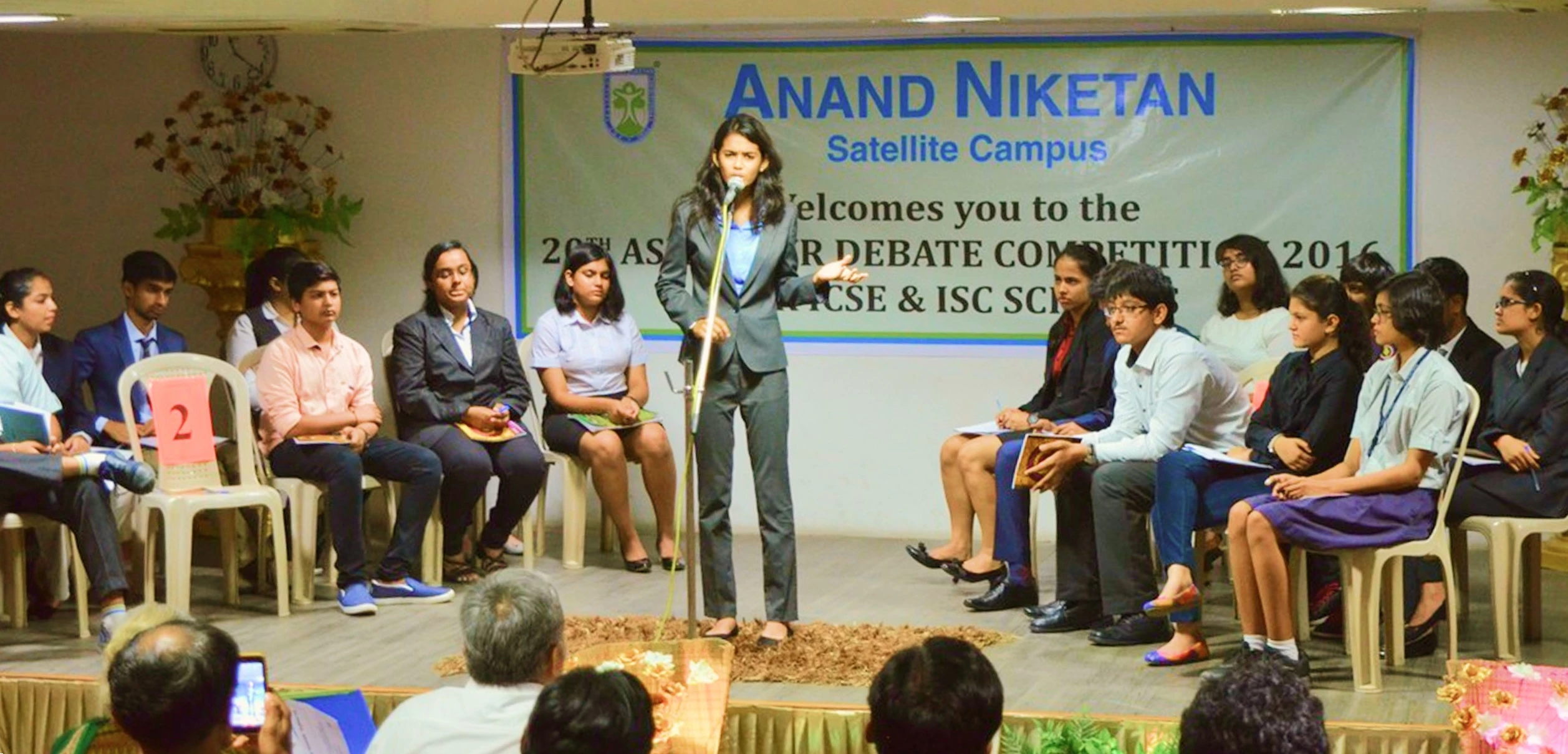
An attempt has been made in this curriculum to design a sequential arrangement of learning experiences that will provide a spiral of cumulative learning. As they progress through classes, children will revisit certain topics or themes several times, but the depth and complexity of the theme or topic/concept will increase with each revisit. The new knowledge gained will be put in the context of the pre-existing knowledge, which will serve as a base or the foundation.
Sequential arrangement of learning experiences (Spiralling)